

Stop Trying to Optimize Your Way Out of Feeling Human
The pursuit of perfect health is making us sicker

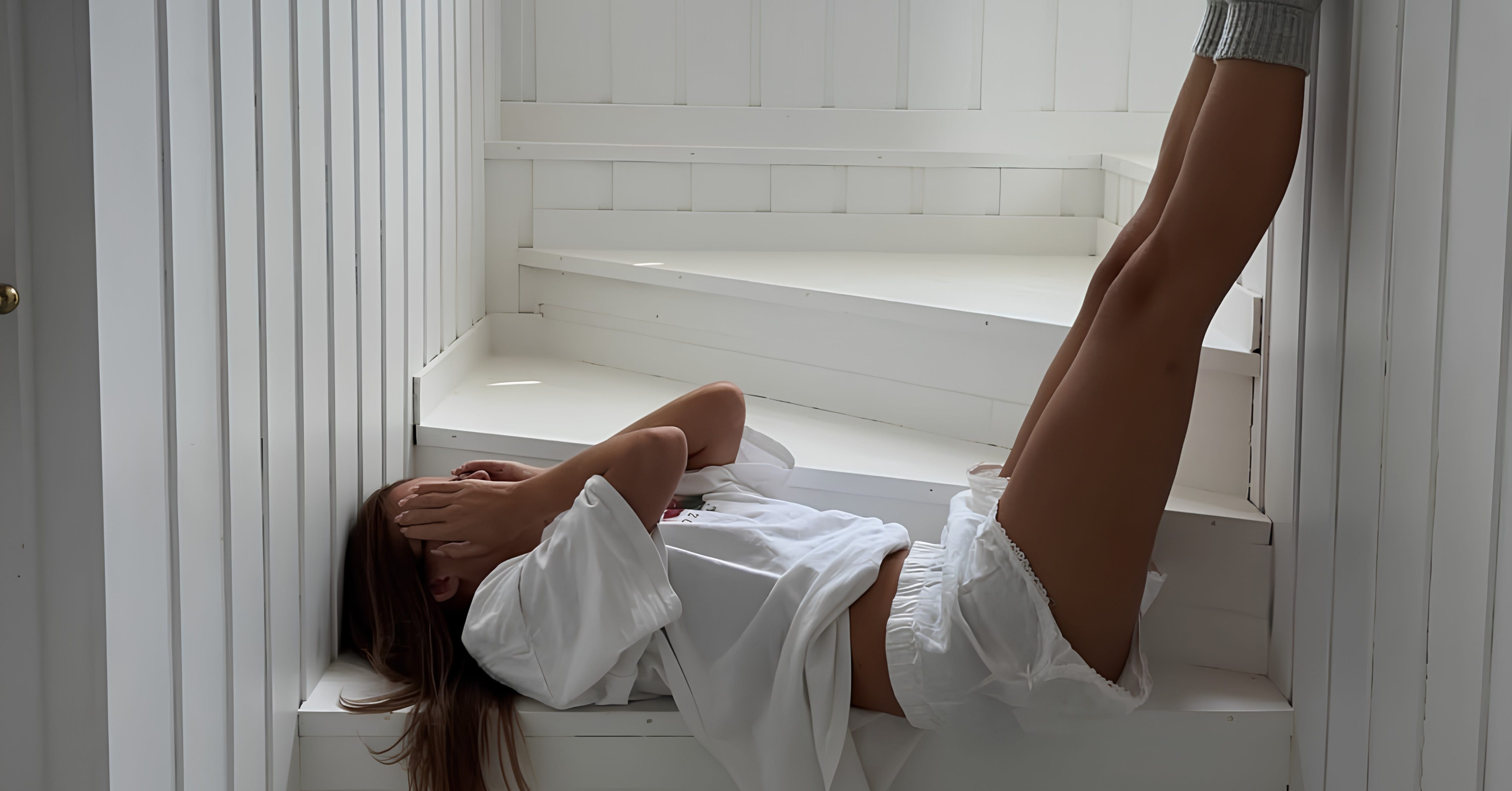
There is a strange kind of modern unwellness that can exist inside a body of someone doing everything “right.”
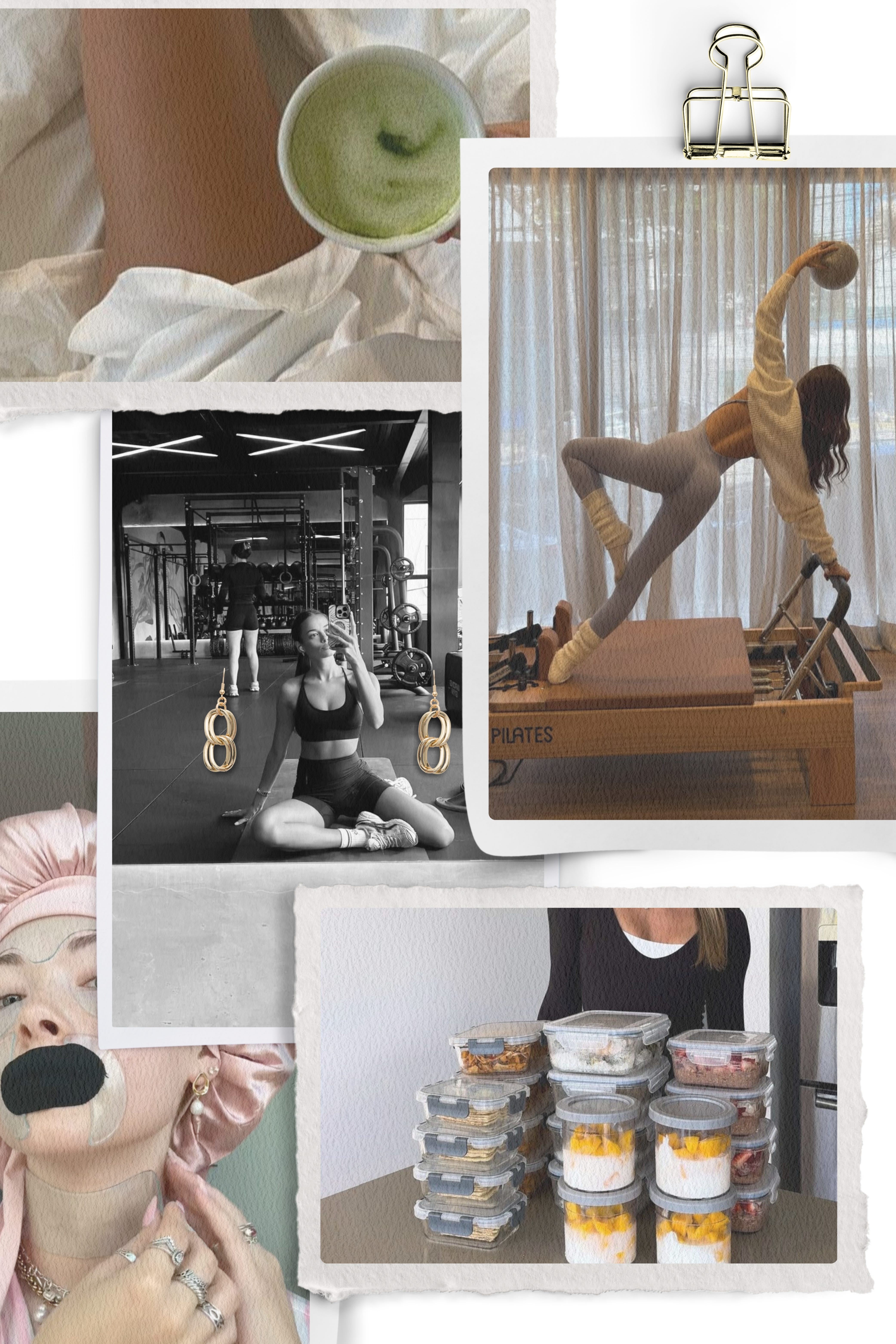
The individual uses an app that tracks their sleep and their macros. They practice the religion of drinking water from a bottle large enough to suggest either discipline or hostage negotiation. They exercise regularly, take their magnesium at nights and owns supplements arranged with the quiet menace of a small pharmacy. They are super knowledgable about gut health, nervous system regulation, morning light, ultra-processed foods, dopamine, cortisol, cold plunges, and the moral difference between rest and “recovery.”
On paper, they are healthy, but in practice, they are exhausted.
This is the paradox of the healthy-unwell: people who appear to be performing health successfully, yet feel anxious, depleted, ashamed, brittle, flat, or never quite well enough.
Their distress is real. The problem is not that they are inventing suffering, it’s that modern wellness culture has become very good at turning health into a permanent self-improvement project.
And I think the reason is that we stopped wanting to be healthy somewhere along the way. What we actually want is to feel normal again.
Health Used To Mean Something Much Simpler
For most of human history, being healthy meant not being ill. You were healthy if you could move through your day without your body stopping you. You ate, you slept, you moved, you felt okay. The bar was functional…Reasonable…Human.
Now being healthy often means optimising every system simultaneously. The body, the mind, the mood, the skin, the digestion, the sleep architecture, the emotional responses, the morning routine, the boundaries, the breathwork, and if possible, the general aura of someone who has never lost an afternoon to crisps and resentment.
The result of raising the bar that high is not always wellbeing. Sometimes it is just self-surveillance with a better aesthetic.
Wellness culture has become incredibly good at framing health as a form of moral character. The disciplined body becomes evidence of virtue. The clean diet becomes evidence of self-respect. The regulated nervous system becomes evidence that you have finally, after all these years, become a proper adult. This creates a quiet but very real hierarchy, with the idea that some people are not just healthier than others, they are imagined as better. More together, more evolved and more in control of themselves.
That is an enormous amount of pressure to place on a morning routine.

The Moment The Routine Becomes The Problem
The healthy-unwell person is doing all the approved behaviours and still feels vaguely haunted. One missed workout suddenly becomes evidence of failure, one takeaway becomes a moral event and one night of bad sleep becomes a character flaw rather than a Tuesday.
Rest becomes suspicious. Hunger becomes data to be managed. Pleasure becomes something that requires justification.
At that point, the pursuit of health starts to look a lot like the problem it was supposed to solve. The wellness routine stops being supportive the moment your life starts serving it instead of the other way around. There is a version of these habits that feels genuinely grounding: the walk that actually clears your head, the workout that leaves you with more energy than you started with or even the sleep routine that helps you actually rest. On the other hand, there is another version that looks almost identical from the outside but feels completely different from the inside. The one where skipping a workout ruins your entire day, where the streak matters more than how your body actually feels and where rest comes with rules and hunger is something to outsource to an app.
The behaviour has not changed; the relationship to it has. That is where wellness quietly becomes identity, and it stops being something you do and becomes something you perform. Something you prove — to yourself, to your feed, to the invisible audience that wellness culture has trained you to imagine is always watching.
The Most Public Version of the Most Private Thing
Wellness is marketed as the most personal investment you can make in yourself. And yet, it has become one of the most visible things a person can do.
Other people’s morning routines, sleep scores, supplement stacks, and 5am wake-up times are everywhere. The meals are photographed, the workouts are filmed and tge “slow morning” is edited, captioned, and uploaded, which is a genuinely curious way to demonstrate that you have escaped hustle culture. The moment any health behaviour becomes measurable, it becomes rankable —and once it is ranked, comparison is basically inevitable.
The broader effect is corrosive in a way that is hard to articulate but very easy to feel. The viewer does not just see someone exercising. She sees someone apparently becoming the kind of person who has solved themselves. The implication is quiet but powerful: if you are still tired, foggy and not glowing with whatever energy these women seem to have access to — perhaps you have simply not tried hard enough yet.
You started this whole journey because you wanted to feel better. You built the routine to feel better, and now the routine itself has become another source of low-grade anxiety. Am I doing enough? Am I doing it right? Why does it seem so effortless for everyone else?
What We Are Actually Chasing
Here is what I think is actually going on underneath all of it.
Most of us did not get into wellness because we wanted to be optimised. We got into it because something felt off and we wanted it to feel less off. We were tired and we wanted to not be tired. We were anxious and we wanted to be less anxious. We felt disconnected from our bodies and we wanted to feel like ourselves again.
We just wanted to feel normal. We just used the word healthy because normal sounded too small, unambitious and too easy to dismiss. However, the feeling of normal isn’t as small as we think. Normal is waking up and not immediately scanning your body for problems. Normal is eating a meal without mentally categorising it. Normal is moving because it feels good rather than because you are working off something or proving something. Normal is resting without guilt. Normal is your body feeling like yours — not a project to be managed, not a performance to be maintained, not a problem that needs solving before you are allowed to feel okay about yourself.
The wellness industry does not make money from normal. It makes money from the gap between where you are and where you think you should be. Every new supplement, every new protocol, every new framework for optimising your morning exists in that gap —and the gap only stays profitable if it never actually closes.
What If Feeling Fine Is Actually Enough
Maybe the most radical thing you can do right now is not another protocol, a ninety day reset or getting a subscription to something promising to finally fix the thing that has been slightly wrong for years.
Maybe it is just admitting that you are tired of performing health and you would quite like to start living it instead. Admitting to yourself that you do not want to be optimised, maximised or biohack your way to a better version of yourself. You want to wake up and feel okay, eat without calculating calories, move because your body likes moving and rest without it feeling like a failure.
You want to feel normal again.
And the strange, slightly uncomfortable truth is that feeling normal is not the starting point for the wellness journey. For a lot of women, it is the destination. The thing they have been circling around for years without quite naming it.
So here it is, named: you are allowed to want normal. You are allowed to decide that fine is enough. You are allowed to step off the escalator of constant self-improvement and just live in your body for a while without treating it like a renovation project.
Feeling fine is not settling. For a lot of us right now, it would be a genuine achievement.

Now Look, Let’s Be Honest About How This Works:
Goals require structure. If you’re training for something specific, got health markers you need to improve, or you just really want to feel and look better in your body — of course you need some rules. Discipline isn’t the enemy and having a framework isn’t the problem.
However, there’s a difference between having a framework and being imprisoned by one. A framework bends when life happens. It accommodates the late night with friends, the holiday where you can’t get to the gym, the week where everything falls apart and you just need to survive.
So keep the structure if you need it and keep the discipline if it serves you. But ask yourself: can your rules bend when you need them to? Or do they break you instead? Because the second your wellness routine starts making you feel worse — more anxious, guilty and rid of failure — it’s not wellness anymore. It’s just another cage, and you deserve better than that.
Let’s all give ourselves a laugh. What’s the most ridiculous health rule you’ve ever tried to follow?
Every like helps this article reach more women who might still be wondering why they feel the way they do. The little heart below means more than you think.
Enjoyed this week’s Weekly Edit?
If you enjoy wellness takes that sit at the intersection of health, culture, and modern womanhood, subscribe to FORM Wellness. Every Friday, The Weekly Edit explores the conversations shaping how we live, feel, eat, rest, and take care of ourselves.


