
Wellness Has Made Convenience Feel Like Failure
On bandwidth fatigue, the performance of effort, and why practical choices win every time

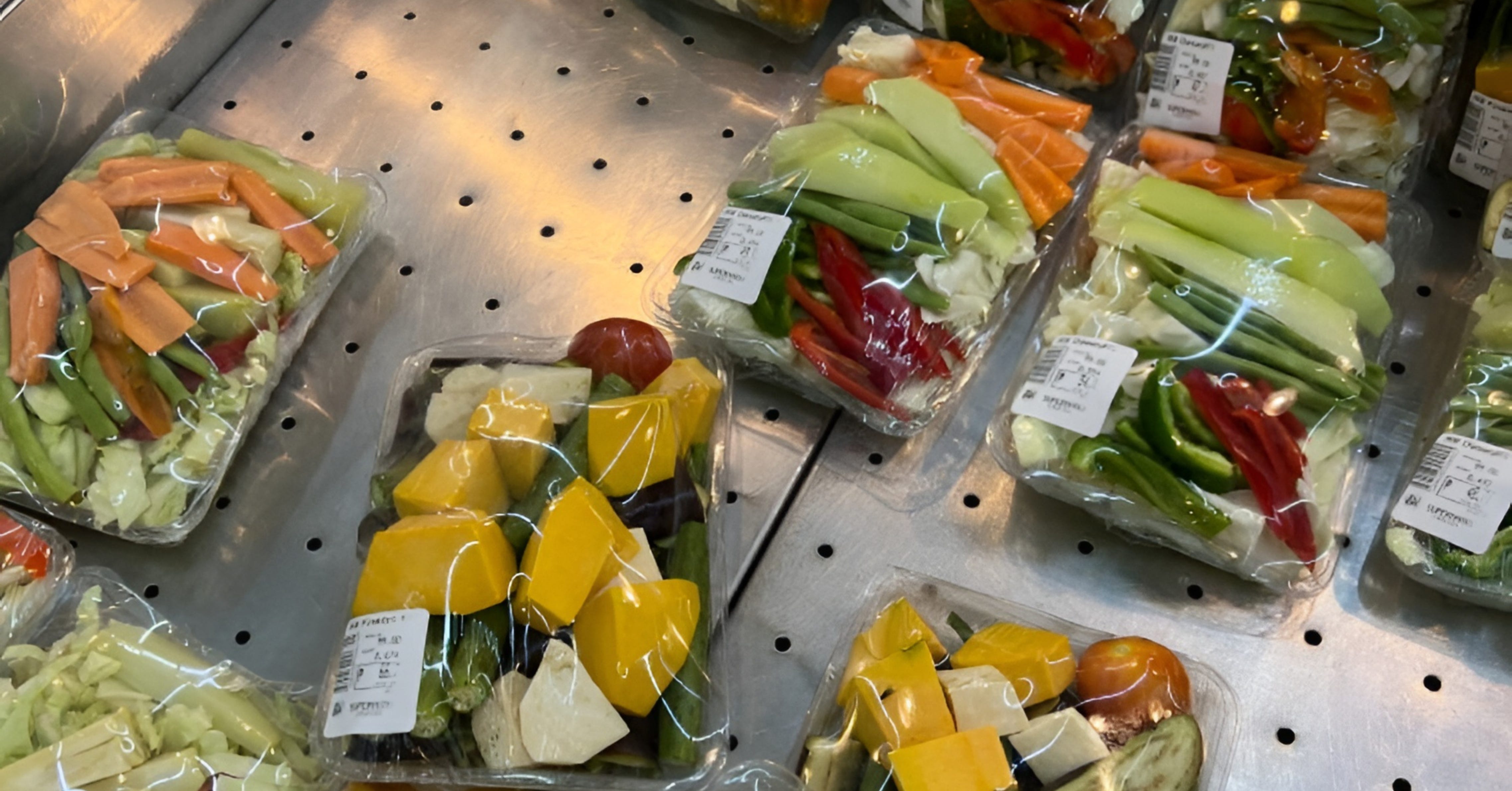
Am I the only one who feels a little bit of shame when reaching for pre-chopped vegetables at the grocery store? I mean, I rarely do it, but when I do… it kind of feels wrong.
Look at a bag of pre-chopped onions. They cost significantly more than a mesh sack of whole ones, they come wrapped in single-use plastic, and it’s not like chopping a whole onion yourself is exactly hard labor: peel, dice, and deal with a few seconds of teary eyes.
Chopping a whole onion sounds simple enough on a relaxed Saturday evening. But on a Wednesday night, getting home late after sitting in an hour of traffic, facing a messy kitchen from breakfast, you look at those onions a little differently. Multiply that by 2 when your family starts asking if there’s anything to eat or what time will dinner be ready.
The wellness world doesn’t hesitate to pass judgment on simple conveniences. Instead of viewing pre-chopped onions as something that keeps you on track, the outside world marks them as laziness or a shortcut. The irony? That single bag of chopped onions is often the exact thing that motivates someone to cook at home instead of ordering takeout.
It’s time we stop viewing the convenient route as a failure and realize that staying on target shouldn’t require constant hardship.
If you’re tired of wellness advice that feels like a full-time job, Welcome! Subscribe to FORM Wellness for honest essays, low-effort routines, and weekly edits that actually fit into your real life.
The Myth of the 25-Hour Day

A lot of the women at the center of wellness advice seem to have an extraordinary amount of free time.
They always eat breakfast before work, get groceries from the farmers market on weekends and have enough time to do a thorough soak of their fruits and vegetables. They make homemade sauces and jams and prepare several days of meal prep for lunches and dinners, sometimes even breakfast. They have the luxury of waking up early to workout first thing, and their evenings consist of stretches or a pilates class, skincare, some form of reading and a relatively early bedtime.
That picture of life sounds lovely, but realistically, things are rarely that predictable, and time is almost never that available for the average person. I don’t know how or when, but this idealized lifestyle somehow became the default “standard”.
Most women I know, have to squeeze in taking care of themselves around everything else they have to do. They find ways to do self care when their children are sleeping, when their late meetings have ended or even when they have to go to the supermarket to restock their fridges. Most people DON’T HAVE TIME for elaborate routines. Regardless of that being common knowledge, they still get judged when they don’t.
When Did Health Become an Endurance Sport?

Honestly, when did wellness turn into a contest for who can suffer the most?
We’ve somehow decided that a habit only counts if it was unnecessarily hard. You went to the supermarket, but you only bought a packaged sauce? Failure. You took a walk in the park, but your watch didn’t register Zone 2 cardio? Doesn’t count. It’s like if there isn’t data, sweat, or three hours of prep behind something, the internet acts like you shouldn’t bother. It’s completely wild to me.
Half the problem is that we've made wellness all about aesthetics, and practical habits just aren’t photogenic. No one is making a cinematic reel out of dumping a bag of frozen carrots and broccoli into a skillet, grabbing a protein bar because lunch got swallowed by back to back meetings, or ordering groceries to save two hours of sanity. And heaven forbid you just walk around the block because you haven’t stepped foot in a gym all month.
We’ve been conditioned to treat these choices like a compromise, when in reality, they’re usually the exact reason someone managed to eat, move, or function through a chaotic week.
Know a friend who needs permission to take the easy route this week? Send this essay to someone who’s feeling a little burnt out by their to do list.
Convenience Is A Capacity Issue
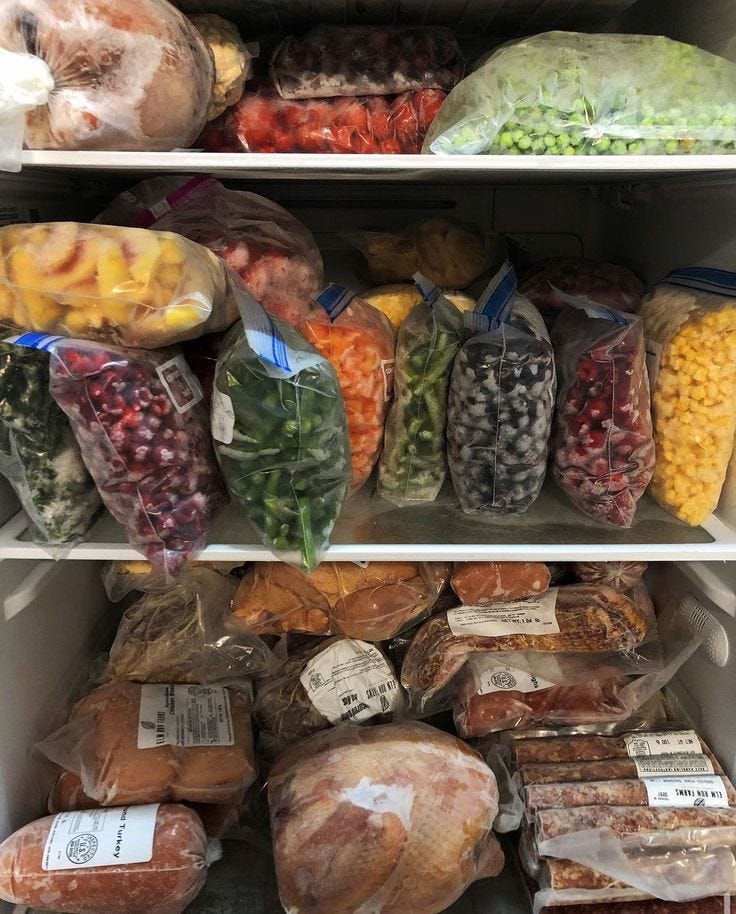
People don’t choose the easy route because they’re lazy; they choose it because they’ve run out of bandwidth.
By 6:00 PM, you’ve probably answered dozens of emails, navigated a couple of uncomfortable conversations, managed household logistics, and forced a polite smile through half of it. Expecting yourself to whip up a gourmet meal, made from scratch after all of that isn’t realistic—it’s exhausting.
Convenience gets a bad rap as a shortcut, but it’s actually a boundary against burnout. Having low effort default meals reduces decision fatigue when you have nothing left to give. If a pre-made shortcut is what gets food on your plate instead of takeout, that’s not a failure. I’d say that’s smart planning.
Make It Easier to Care for Yourself
At the end of the day, we have to give ourselves permission to make things easier.
Buy the pre-chopped veggies. Keep the freezer stocked with easy meals. Take a quick 20 minute walk around the block instead of beating yourself up over a missed gym session. Order the groceries when you can’t bother to make it to the store. Self care doesn’t need to be a performance or a test of how much effort you can endure.
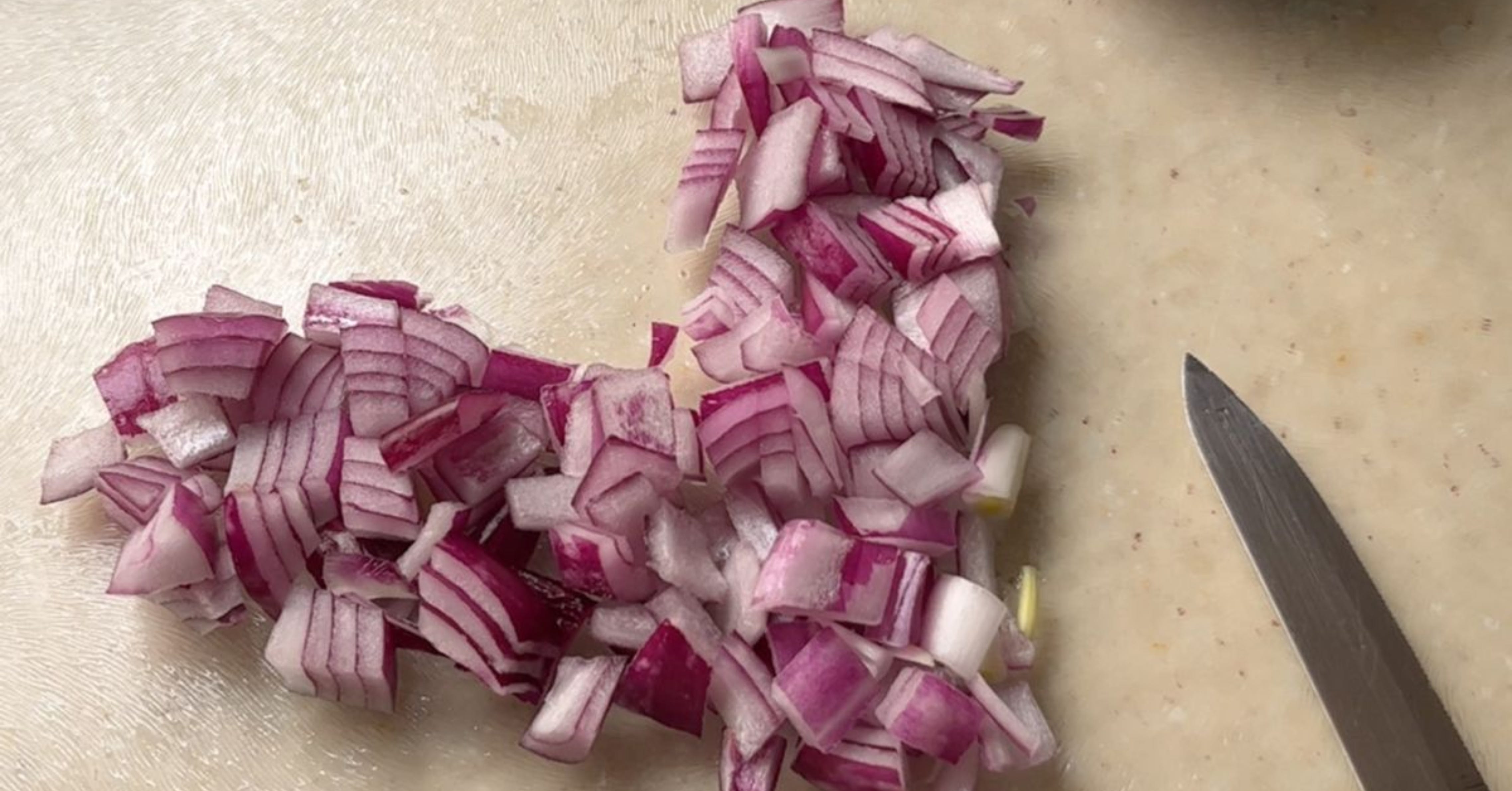
If the simpler option is the one that actually helps you nourish yourself and survive a busy week, that’s not a compromise—it’s just the better choice. Let the onion stay chopped.
If you enjoyed this Weekly Edit, leave it a heart. It’s one of the easiest ways to let me know you’d like more essays like this. ♡


