

Why Most Mid-Year Resets Fail (And What to Do Instead)
What to change, what to keep, and what to stop trying to fix before the year gets away from you.

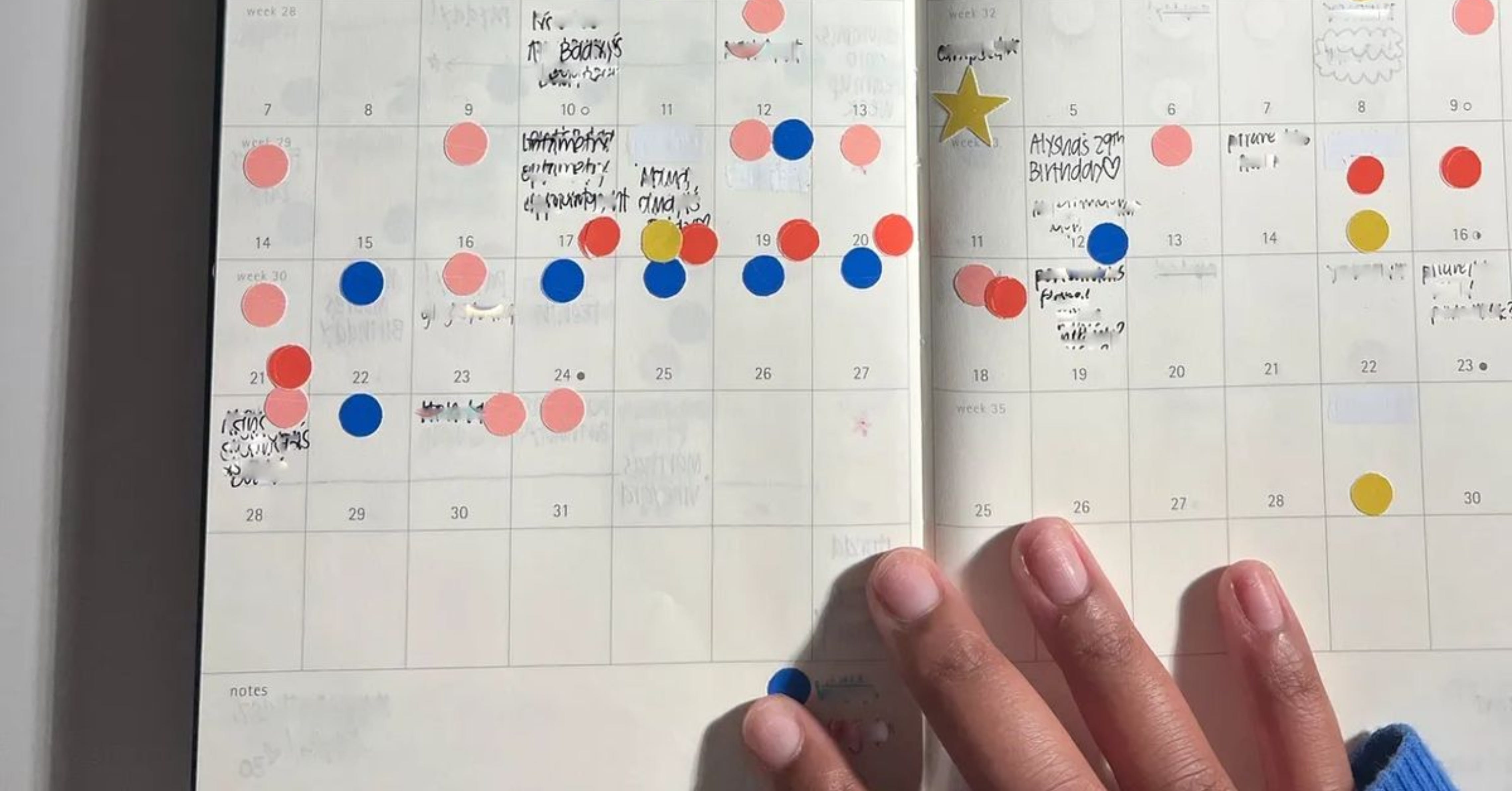
There are two types of people in June.
The first are quietly moving through their lives, making small adjustments as they go. They notice what is working, notice what isn’t, and course-correct without turning every inconvenience into a personal reinvention project. The second are seriously considering rebuilding their entire life because they had a bad Tuesday.
Every year around this time, a strange kind of panic starts circulating. The goals from January begin resurfacing, the habits you meant to build start looking back at you, and suddenly the fact that six months have passed feels less like a calendar update and more like performance feedback. The typical mid-year reset treats the first half of the year as a rough draft. Proof that you’re behind, proof that you haven’t been disciplined enough and proof that it’s time to lock in before December.
I think that’s the wrong frame.
January is full of possibility and December is often full of reflection. June sits awkwardly between the two. It is long enough to know what isn’t working, but not so far gone that there isn’t still time. Which makes this the perfect moment to stop asking, “How can I improve everything?” and start asking, “What is actually worth changing?”
Most people approach a reset as an opportunity to start over. I think it’s more useful to treat it as an opportunity to pay attention. To look at what is working, what isn’t, and what has been taking up space in your head for longer than it should.
The goal isn’t to become a completely different person in the second half of the year. It’s to get a little clearer about where your energy actually needs to go.
So this is not really a reset.
It’s an audit.
BEFORE YOU CHANGE ANYTHING
People who seem to have their lives together are rarely starting over.
They’re not chasing a new routine, a new system, or a new version of themselves every few months. They’re not treating every bad week like evidence that everything needs to change. More often than not, they’re paying attention.
They notice when something is working and keep doing it. They notice when something isn’t working and make an adjustment. They don’t abandon an entire routine because they missed three days, mistake inconsistency for failure, or assume every uncomfortable feeling requires a complete life change.
People get so focused on what needs to change that they never stop to look at what’s already working.
So before you add another habit, remove something that might still be useful, or optimize a routine that never asked for it, spend a few minutes taking inventory.
There is probably more worth keeping than you think.
Most mid-year resets start with the assumption that you’re behind. The rest of this piece is built on a different assumption: that there is probably more worth keeping than you think.
What follows is a practical audit of the habits, goals, routines, and expectations that deserve a second look before December, along with the things that may be perfectly fine exactly as they are. Because sometimes the most useful reset isn’t adding more. It’s realizing there was never anything wrong with certain parts of your life in the first place.
In the rest of this piece, we’re looking at twelve things that may be worth revisiting before the year gets away from you, along with twelve things that probably don’t need fixing at all.
